Let’s be honest: when you start scrolling through Pinterest, you’re looking for “The Look.” You want that sleek, magazine-worthy kitchen. But then reality hits—usually in the form of a heavy sambal splatter or the unforgiving Malaysian humidity.
Choosing a kitchen cabinet in Malaysia isn’t just about aesthetics; it’s about survival. Between our love for heavy frying and the tight squeeze of modern condo living, your cabinets have to work hard.
Based on what’s trending in showrooms across PJ and KL right now, here are the top 9 designs that actually make sense for our homes.
Key Takeaways
| Key Takeaway | Design Insight |
|---|---|
| Survival Over Style | In Malaysia, humidity and heavy cooking (sambal splatter!) are real. Choose materials that are "tahan lasak" and easy to wipe down. |
| Space Optimization | For 800 sq. ft. condos, High Gloss or Minimalist Flat Panels are lifesavers. They bounce light and create a seamless, airy feel. |
| Durability Kings | Aluminium cabinets are the ultimate 2026 upgrade—waterproof, fire-resistant, and termite-proof, making them perfect for wet kitchens. |
| Cleanliness First | Full-height cabinets are the gold standard. They maximize storage and eliminate the "greasy dust bunny" gap between the cabinet and ceiling. |
| The Layout Rule | Always prioritize the "Work Triangle" (Sink, Fridge, Stove) efficiency before deciding on your Pinterest aesthetic. |
1. Minimalist Flat Panels (The "Keep It Simple" King)
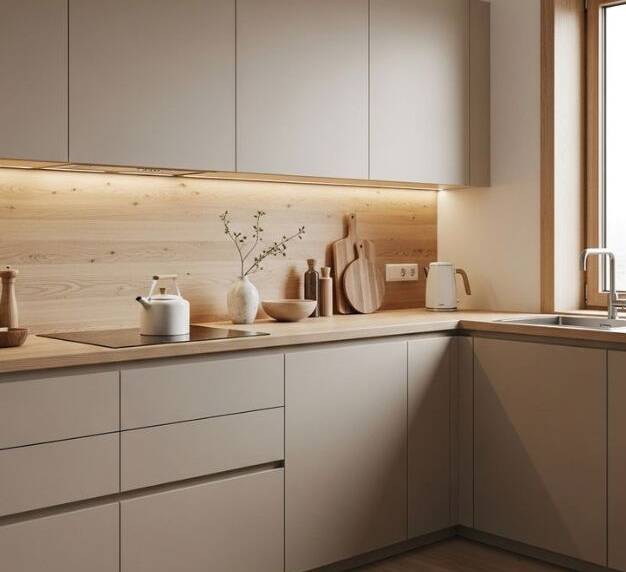
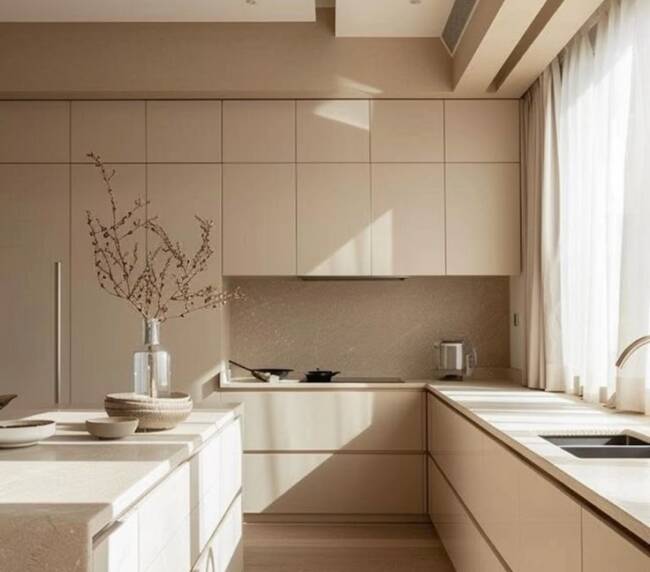
Minimalist flat panels are the “white t-shirt” of kitchen design—they never go out of style. These are handleless, slab-style doors that create a seamless wall of color.
Why it’s a winner: If you’re living in a typical 800 sq. ft. condo in PJ, these are lifesavers. They make the room feel twice as big because there are no visual “breaks.”
The Vibe: Modern, clean, and very “Muji-inspired.”
Pros: Ridiculously easy to wipe down (no nooks and crannies). It makes tiny condos feel much bigger and less cluttered.
Cons: If you go for the “push-to-open” style, you’re constantly touching the front of the door, which means more hand oils on the surface.
2. Warm Woodgrains (Bringing the Outdoors In)
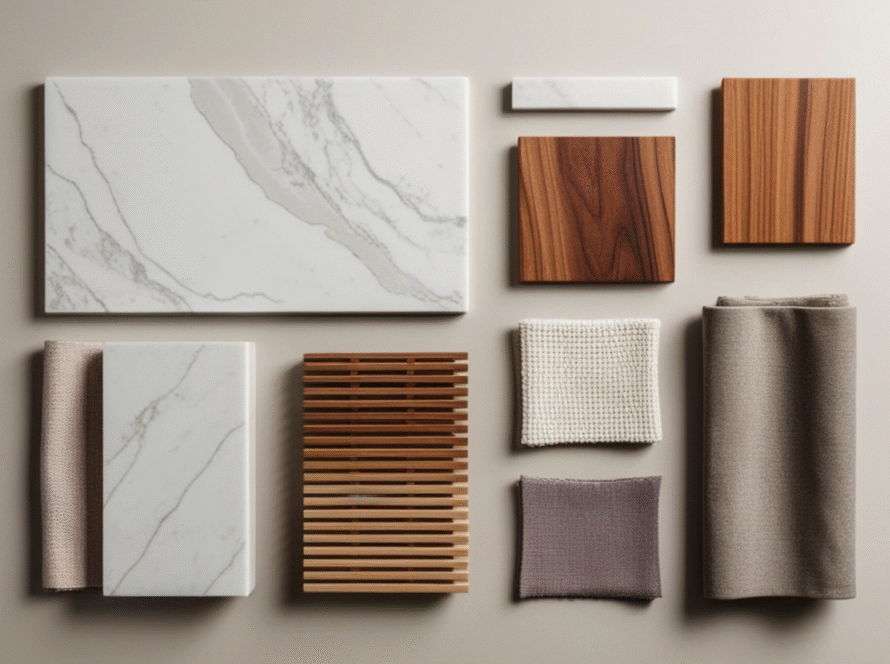
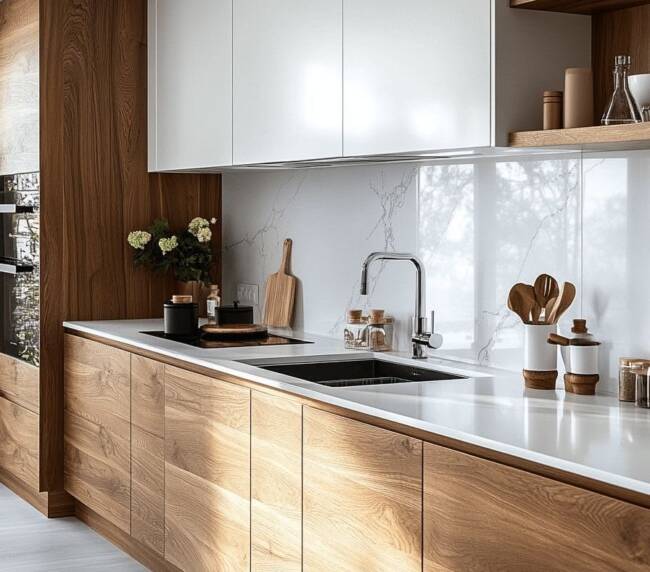
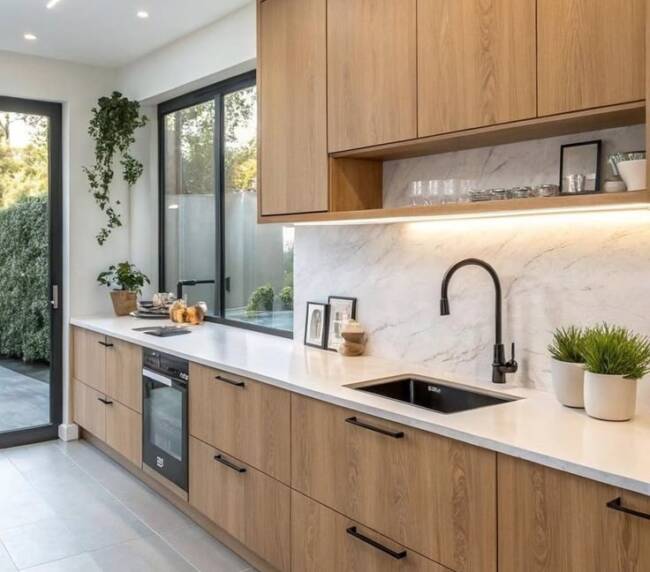
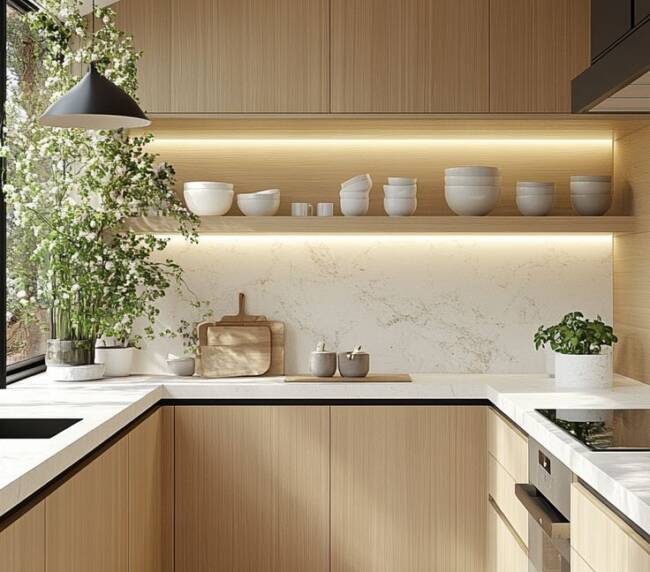
We’re seeing a huge shift back to nature. Homeowners are tired of “cold” clinical kitchens. Woodgrain laminates add an instant “hug” to your home.
The Trend: In 2026, we’re moving away from cheap-looking stickers. The new laminates actually feel like wood. You can run your fingers over them and feel the grain.
Pro Tip: Don’t go full “log cabin.” Use dark wood for the bottom cabinets to hide scuff marks, and keep the top ones light or white so the kitchen doesn’t feel like a cave.
Pros: Incredible at hiding small scratches and dust. It’s a timeless look that doesn’t feel “dated” in five years.
Cons: If you use too much dark wood in a small kitchen, it can feel a bit claustrophobic. Also, cheap wood laminates can peel if they’re too close to a boiling kettle.
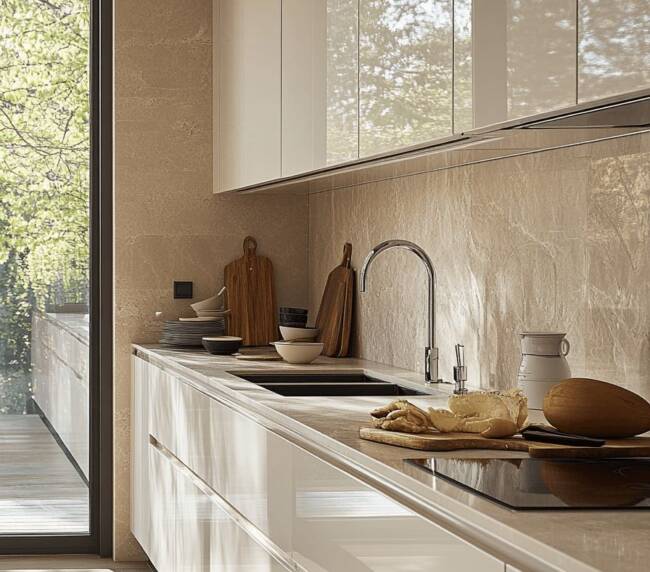
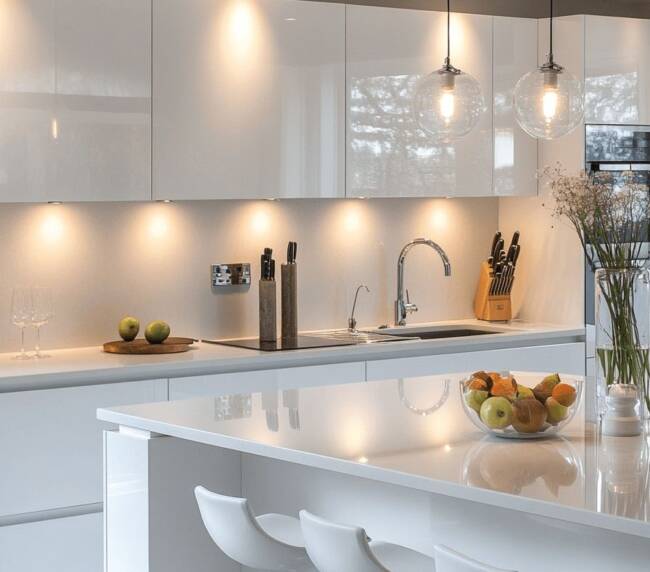
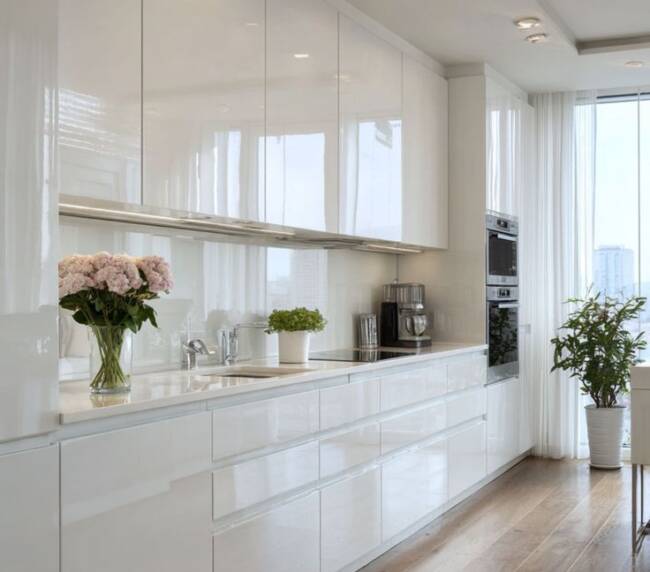
3. High Gloss (The Small Kitchen Lifesaver)
If you’re living in a studio or a compact apartment, gloss is your best friend. Like a mirror, these surfaces bounce light around the room.
The Reality Check: Yes, you will see fingerprints. If you have toddlers with sticky hands, maybe save the gloss for the upper cabinets only.
Pros: It’s basically a light-box. If your kitchen has no windows, this is the only way to make it feel bright. Very water-resistant.
Cons: Fingerprints. Lots of them. If you cook with oily hands, you’ll be chasing smudges with a microfiber cloth every single day.
4. The "Two-Tone" Combo
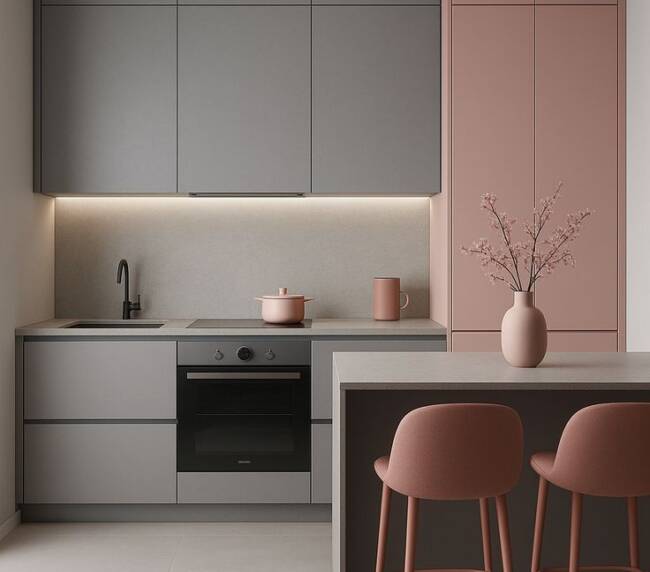
Can’t decide between two colors? Do both. Usually, this means dark “heavy” colors for the base cabinets (where the dirt hides) and a lighter shade for the top.
Why it’s popular: It adds “architectural depth” without needing a massive renovation budget. It feels custom-made, not out of a box.
Pros: Super practical. By putting dark colors on the bottom, you hide the “accidental kicks” and floor splashes, while the light top keeps it airy.
Cons: It’s harder to pull off. If you pick the wrong color pairing, it can make the kitchen look “chopped in half” rather than stylish.
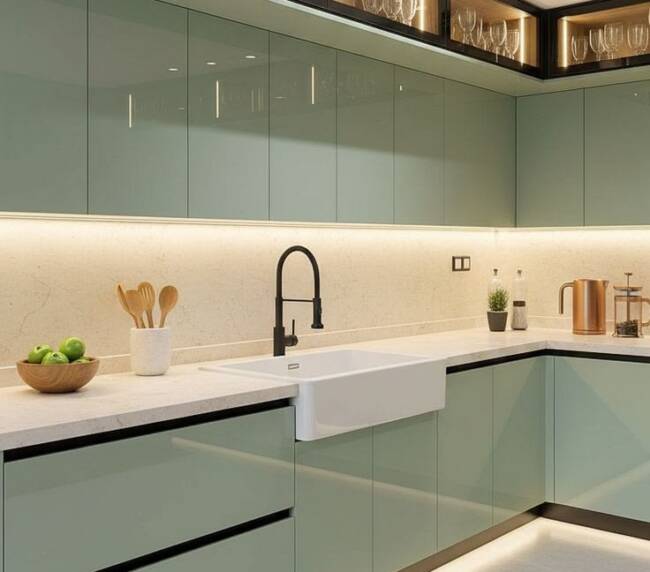
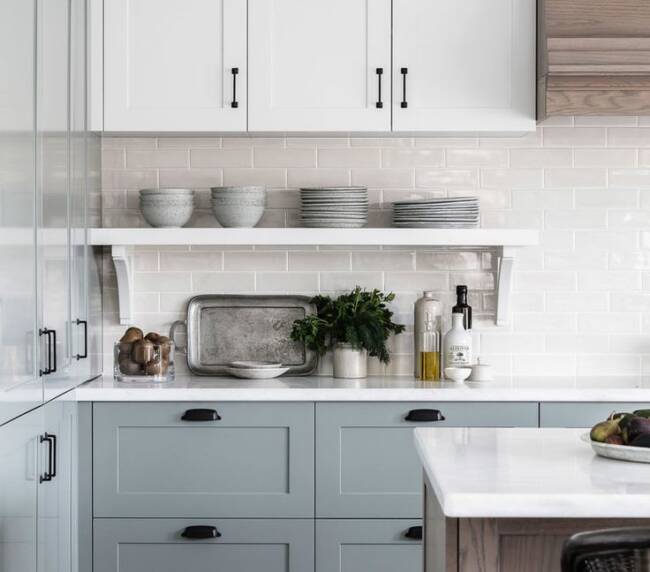
5. Floor-to-Ceiling (No More Dust Bunnies)
In 2026, nobody wants to climb a ladder to clean the greasy top of a cabinet. Full-height cabinets are the gold standard now.
The Hidden Benefit: It hides your bulky air fryer, your 5kg rice bag, and that Steamboat pot you only use once a year. Everything stays tucked away and tidy.
Pros: Say goodbye to that greasy “dust bunny” gap on top of your cabinets. You get about 30% more storage for things you rarely use.
Cons: It’s more expensive because of the extra material. Also, unless you’re 6 feet tall, you’re going to need a step ladder to reach that top shelf.
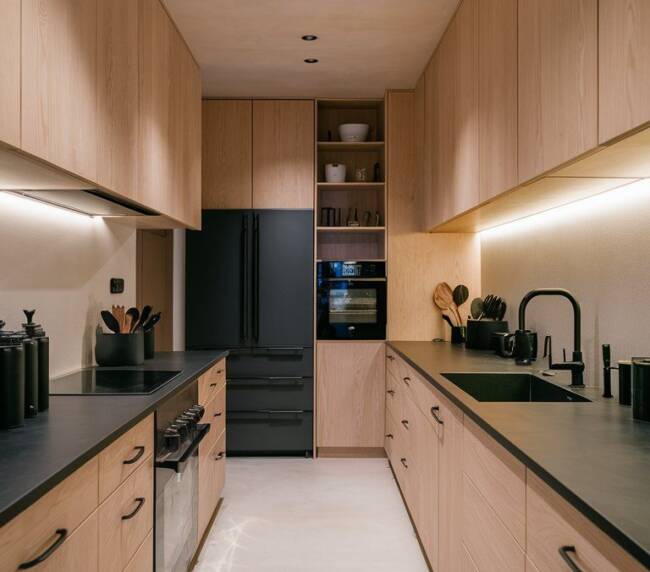
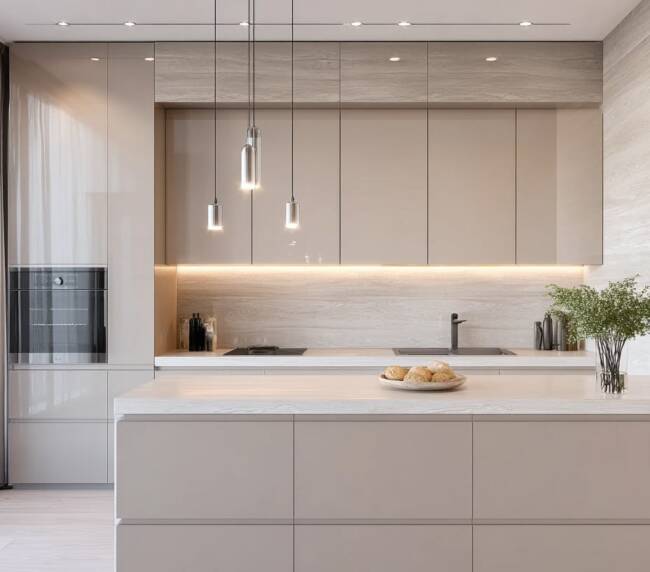
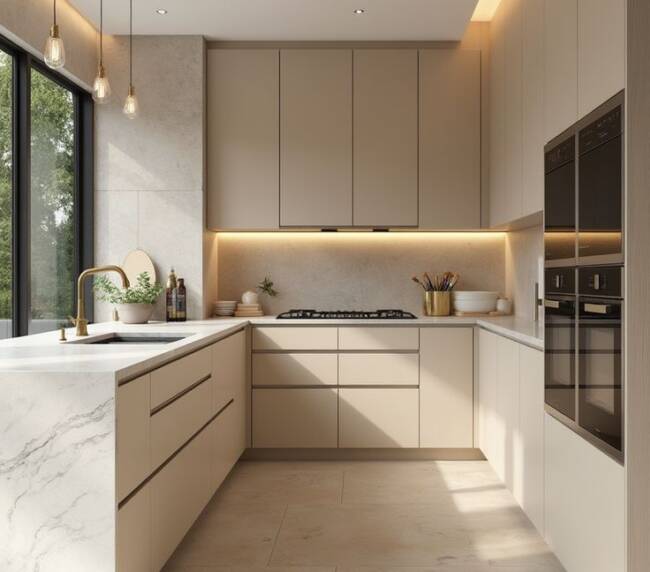
6. Matte Finishes (Sophistication in a Texture)
If High Gloss is a “flashy sports car,” Matte is a “luxury sedan.” It’s understated, velvety to the touch, and feels incredibly premium.
Why we love it: It absorbs light rather than reflecting it, which gives your kitchen a very calm, high-end gallery feel.
Pros: Looks very “expensive” and high-end. It absorbs light, so you don’t get those annoying glares from your ceiling lights.
Cons: While it hides fingerprints well, oily “curry splashes” can be stubborn to remove if you let them dry. You need to wipe them off immediately.
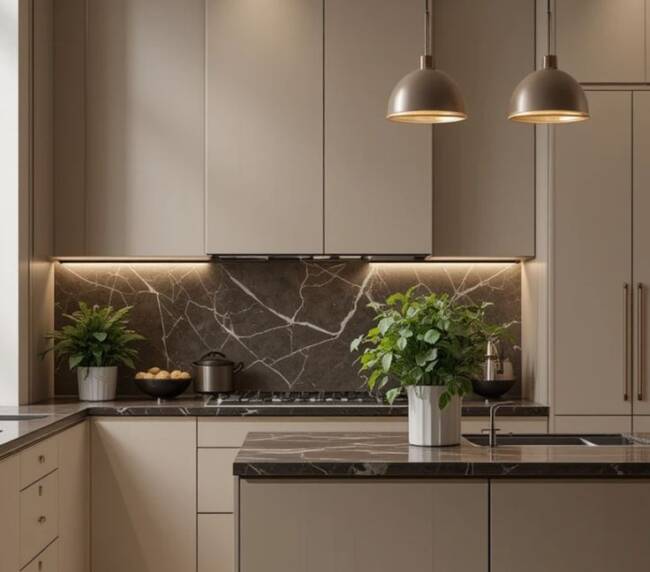
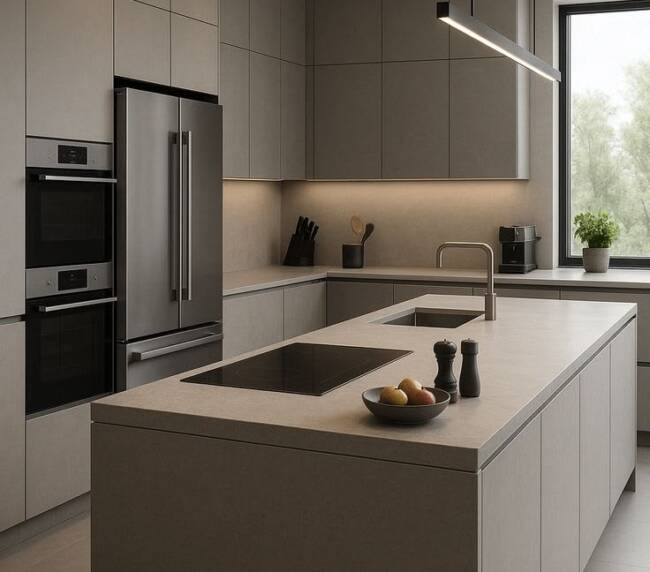
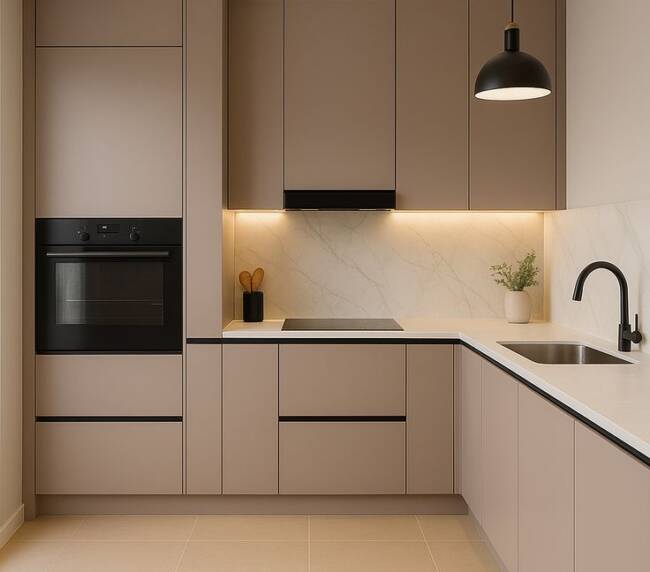
7. Aluminium Cabinets (The "Tahan Lasak" Option)
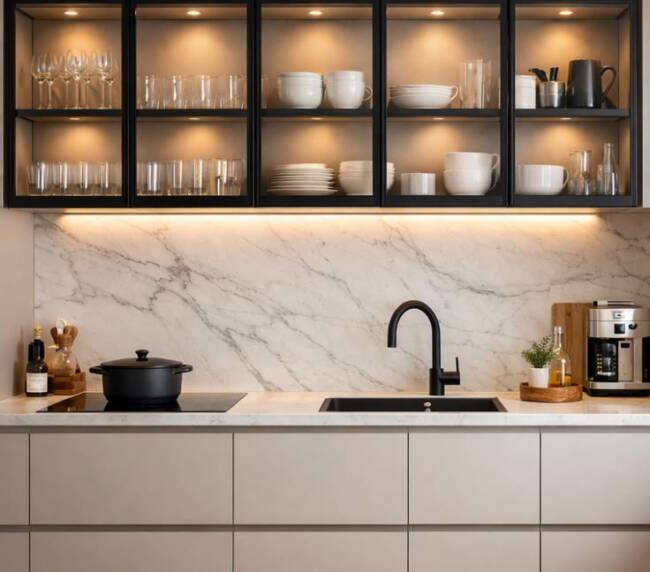
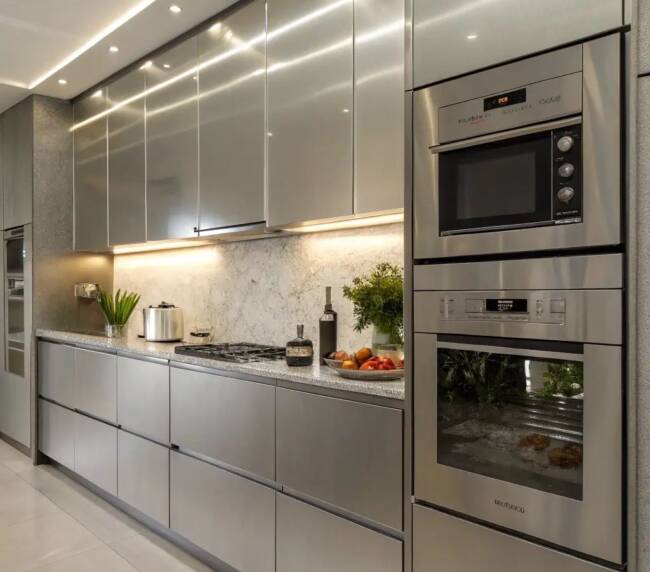
Let’s talk about the “Wet Kitchen” nightmare: termites and water rot. Aluminium cabinets used to look industrial, but the new 2026 designs look exactly like wood or glass.
The Verdict: They are waterproof, fire-resistant, and termite-proof. If you do a lot of heavy “tumbuk sambal” or steaming, this is the smartest investment you’ll make.
Pros: The ultimate “lifetime” material. It is naturally immune to termites, moisture rot, and fire. In the 2026 market, it offers the highest long-term ROI due to its extreme resilience.
Cons: Higher upfront capital expenditure compared to traditional wood-based carcasses. It also has a distinct acoustic profile—closing a metal drawer is louder than closing a wooden one.
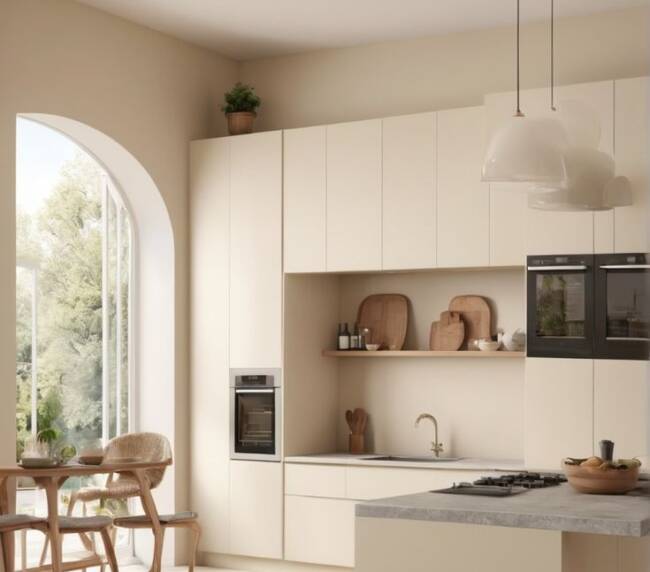
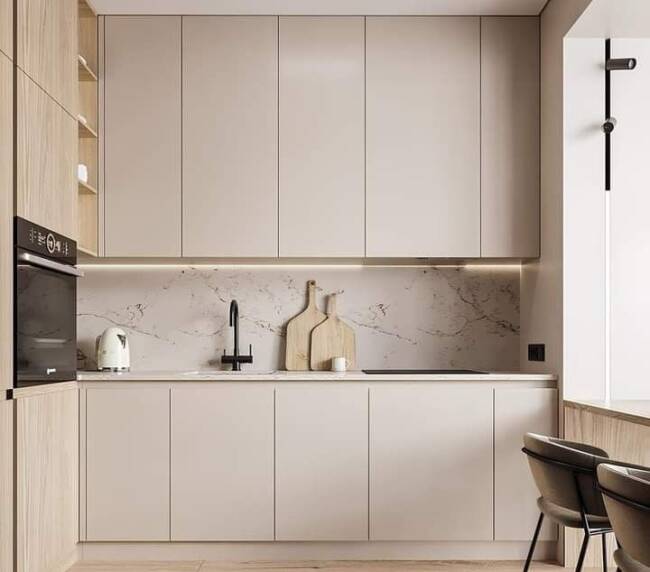
8. “Creamy Style” (The Xiaohongshu Favorite)
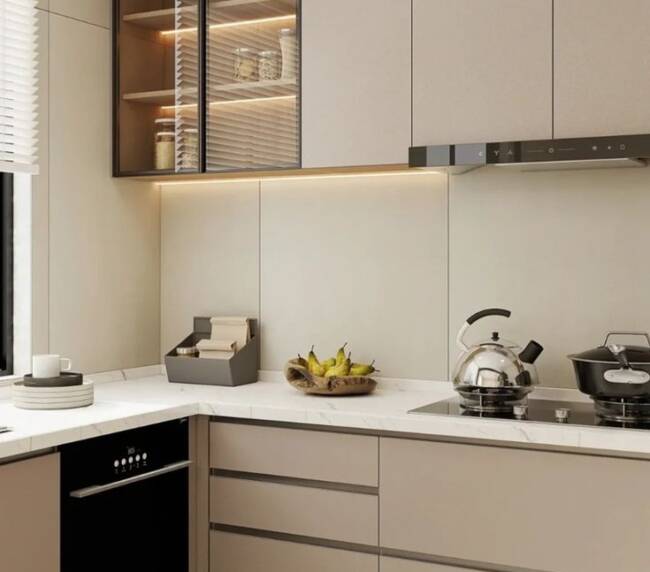
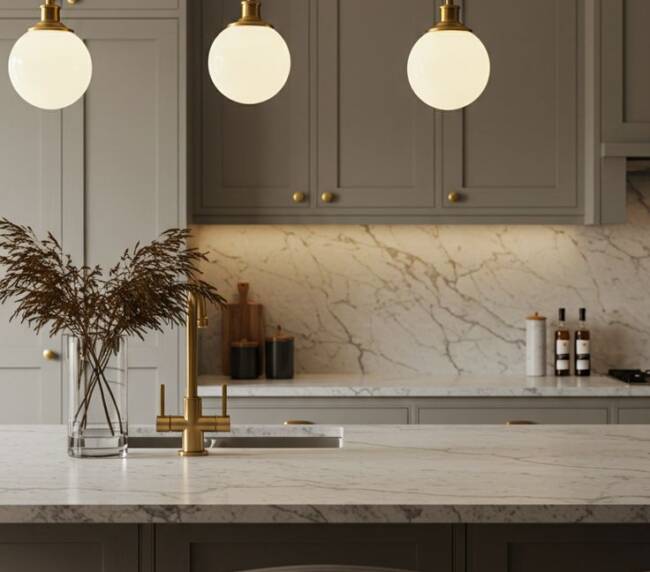
Influenced heavily by the “Nai You Feng” (Creamy Style) trend on social media, this look is all about soft beige, rounded corners, and warm lighting.
Best for: People who want their kitchen to feel like a cozy cafe. It’s soft, inviting, and looks amazing under warm LED strips.
Pros: Currently the most popular aesthetic for social appeal. The soft, rounded edges and tonal beiges create a restorative, “cafe-like” environment in the home.
Cons: High maintenance. Light, creamy tones show every splash of chili oil or soy sauce. It is best suited for homeowners who practice “clean-as-you-go” cooking.
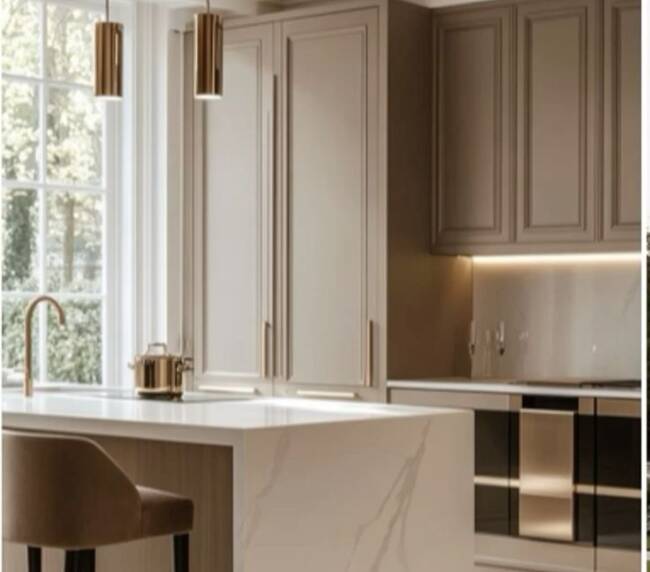
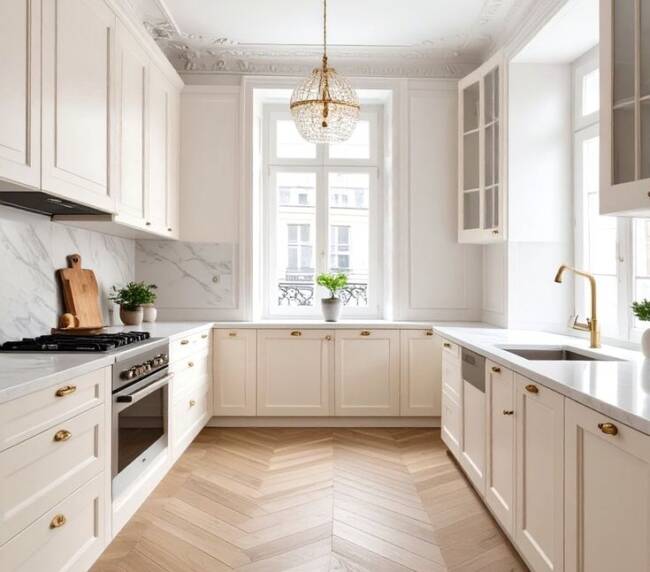
9. European Sleek (The Premium Choice)
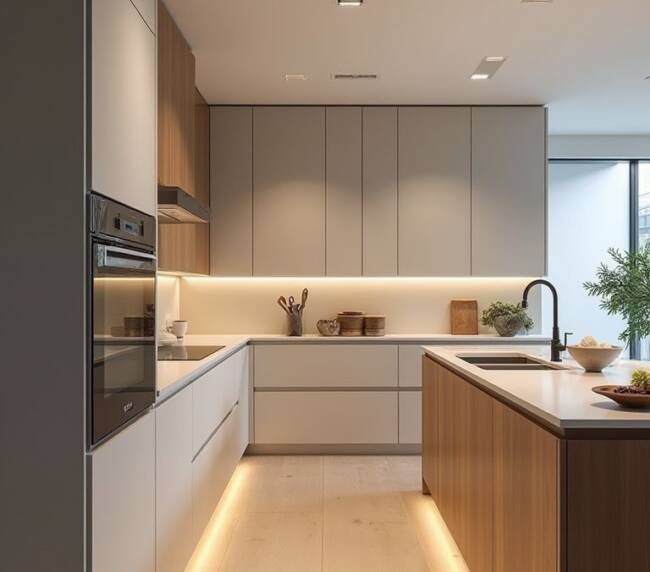
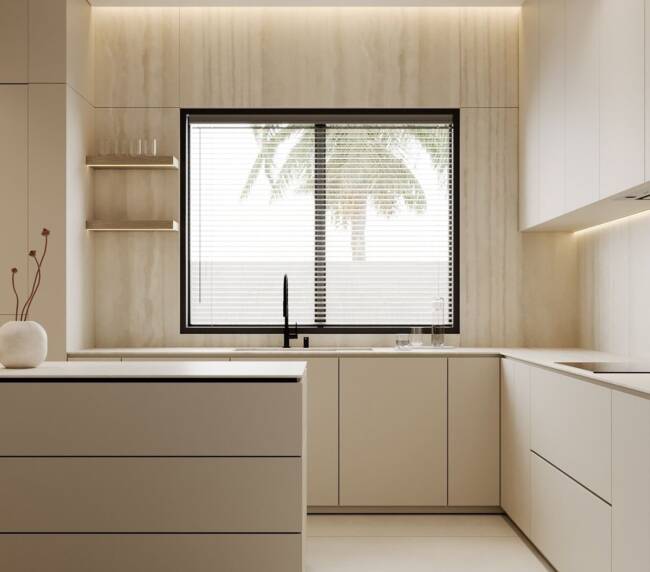
Think integrated appliances where the fridge is hidden behind a cabinet door. It’s all about precision—tiny gaps, hidden hinges, and high-tech hardware.
Who it’s for: The homeowner who wants their kitchen to be a showpiece for hosting guests.
Pros: Offers a seamless, “integrated” look where the kitchen functions like a gallery. Features high-precision hardware that operates silently and maximizes internal organization.
Cons: The most expensive option. Because the appliances are often hidden behind custom panels, repairs can be complex, and replacing a built-in fridge requires specific dimensions that may not be available later.
| If your priority is... | Go for... |
|---|---|
| Living in a tight condo | High Gloss or Minimalist Flat Panel |
| Heavy Asian-style cooking | Aluminium (Zero rot, zero termites) |
| The "Instagram" Look | Creamy Style or Matte Finish |
| Maximum Storage | Full-Height Cabinets |
Think Layout First, Style Second
A beautiful kitchen is useless if it’s not functional. Always map out your Work Triangle (Sink, Fridge, Stove) before picking your finishes.
For homeowners in PJ or KL, Everkitchen specializes in durable builds designed for the Malaysian climate—think waterproof structures and termite-proof cabinets. With 20 years of experience and 0% installment plans, they bring high-end, heavy-duty quality to your home.
The best kitchen isn’t just a showpiece; it’s the one that stays in perfect condition no matter how much you cook.
The “best” design often depends on your home’s layout, but current trends in Malaysia lean toward Modern Minimalist and Industrial styles.
Modern Minimalist: Features handle-less cabinets and seamless lines, perfect for smaller condos in KL or Penang.
Industrial Style: Uses darker tones, concrete-look finishes, and open shelving.
The “Wet & Dry” Concept: Most Malaysian homeowners opt for a dual-design approach—a high-aesthetic “Dry Kitchen” for hosting and a heavy-duty, functional “Wet Kitchen” for high-heat cooking and heavy washing.
Malaysia’s high humidity and heat mean you need materials that won’t warp or attract termites. To choose the most durable materials:
Assess your cooking habits: If you do heavy frying and washing, prioritize water-resistant materials like Aluminum or Solid Plywood.
Check for termite resistance: Avoid low-grade particle boards. Instead, look for High-Pressure Laminate (HPL) finishes on plywood or inorganic materials.
Prioritize moisture-proofing: Ensure the base cabinets (especially under the sink) are made from materials that can withstand occasional leaks or dampness.
The doors take the most wear and tear. For longevity in a Malaysian kitchen, consider these top-tier options:
Aluminum: Virtually indestructible, rust-proof, and termite-proof. Ideal for wet kitchens.
4G or 5G Glass: These offer a high-gloss, premium look with a hidden aluminum frame for support. They are easy to wipe clean and highly resistant to scratches.
Acrylic: Provides a mirror-like finish that is waterproof and doesn’t yellow over time, making it a popular choice for modern dry kitchens.
Melamine (MFC): A budget-friendly but durable option, provided it is high-quality and the edges are properly sealed to prevent water ingress.
Finding a reliable contractor is key to a stress-free renovation. Here’s how to narrow down your search:
Check Portfolios & Reviews: Look for makers with a strong local presence and verified Google or Facebook reviews.
Visit Showrooms: Always visit a physical showroom to feel the material quality and check the smoothness of the hinges and tracks.
Ask About Warranty: Reputable makers will offer a clear warranty on both materials and installation.
In-House Manufacturing: Makers who have their own factory often provide better quality control and faster turnaround times than those who outsource.