When planning a kitchen renovation for a landed home in Malaysia, most homeowners focus on cabinet colours, finishes, or layout style. But the real decision that shapes your daily life is simpler: should you have one kitchen, or separate it into dry and wet zones?
In Malaysia, cooking is rarely light or clean. It often involves high heat, oil, strong spices, and heavy woks. Without proper planning, your kitchen can become difficult to maintain and unpleasant to live around. This is why separating the kitchen into two functional zones — a dry kitchen for presentation and light use, and a wet kitchen for serious cooking — has become the go-to layout for landed homes across Klang Valley and beyond.
- Separating dry and wet kitchens helps contain grease, heat, and odours — keeping your main kitchen clean and presentable.
- Design the dry kitchen for aesthetics and the wet kitchen for durability — each has a distinct purpose.
- Use moisture- and heat-resistant materials like aluminium or stainless steel in the wet kitchen for long-term reliability.
- Ventilation is non-negotiable — a strong cooker hood and proper airflow prevent smoke and grease buildup.
- Plan layout, materials, and electrical points before renovation to avoid costly mistakes later.
- Not every home needs both — the decision depends on your cooking habits, space, and lifestyle.
Do You Actually Need Both a Dry and Wet Kitchen?
Not every home needs a dual kitchen setup. But for most landed houses in Malaysia — especially those with families who cook regularly — it makes practical sense.
- You cook often, especially Asian-style meals
- Your cooking involves oil, spices, or high heat
- You don't want cooking smells to spread through the house
- You host guests and want a clean-looking kitchen
- You rarely cook or mostly do light meals
- Your available space is limited
- Your budget does not allow for two full kitchen setups
- You primarily order takeaway or dine out
What Is a Dry Kitchen — and What Is It Really For?
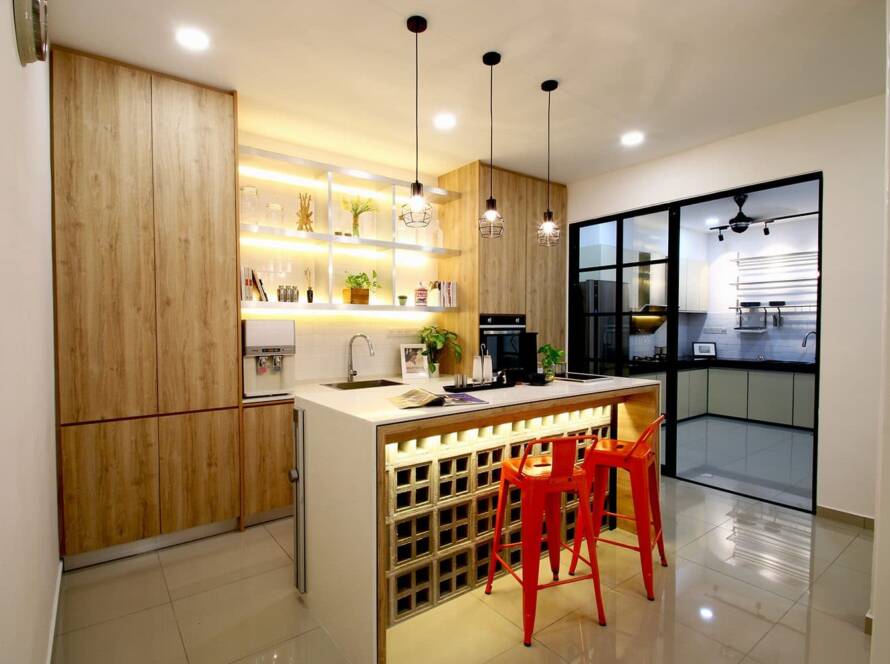
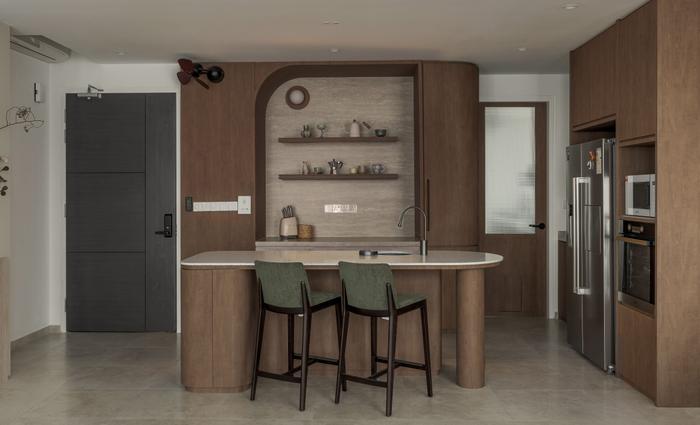
A dry kitchen is your front-facing kitchen — the one guests see when they walk in. But it is more than just a showpiece. It serves a real functional role as the lighter-use cooking and prep zone in your home.
What a Dry Kitchen Is Actually Used For
- Making drinks — coffee, tea, juices
- Light cooking — eggs, toast, reheating leftovers
- Preparing simple, quick meals
- Hosting guests and casual entertaining
- Operating built-in appliances like ovens, microwaves, and coffee machines
What Matters Most in Dry Kitchen Design
Because the dry kitchen is the face of your home, design and finish quality matter significantly here. According to Qanvast Malaysia's dry kitchen design guide, the most successful dry kitchens prioritise clean lines, hidden storage, and integrated appliances to maintain a polished, clutter-free appearance.
| Design Element | Why It Matters | Recommended Choice |
|---|---|---|
| Cabinetry finish | First thing guests see — sets the tone of the space | Laminates, acrylic, or matte finishes |
| Countertop material | Light use means aesthetics can take priority | Quartz or sintered stone for looks and durability |
| Storage | Keeps the space clutter-free and presentable | Full-height cabinets with flush doors |
| Lighting | Sets mood and highlights the design | Warm LED under-cabinet and pendant lighting |
| Appliance integration | Hidden appliances maintain a clean visual line | Built-in oven, integrated fridge panels |
What Is a Wet Kitchen — and Why It Matters More Than You Think
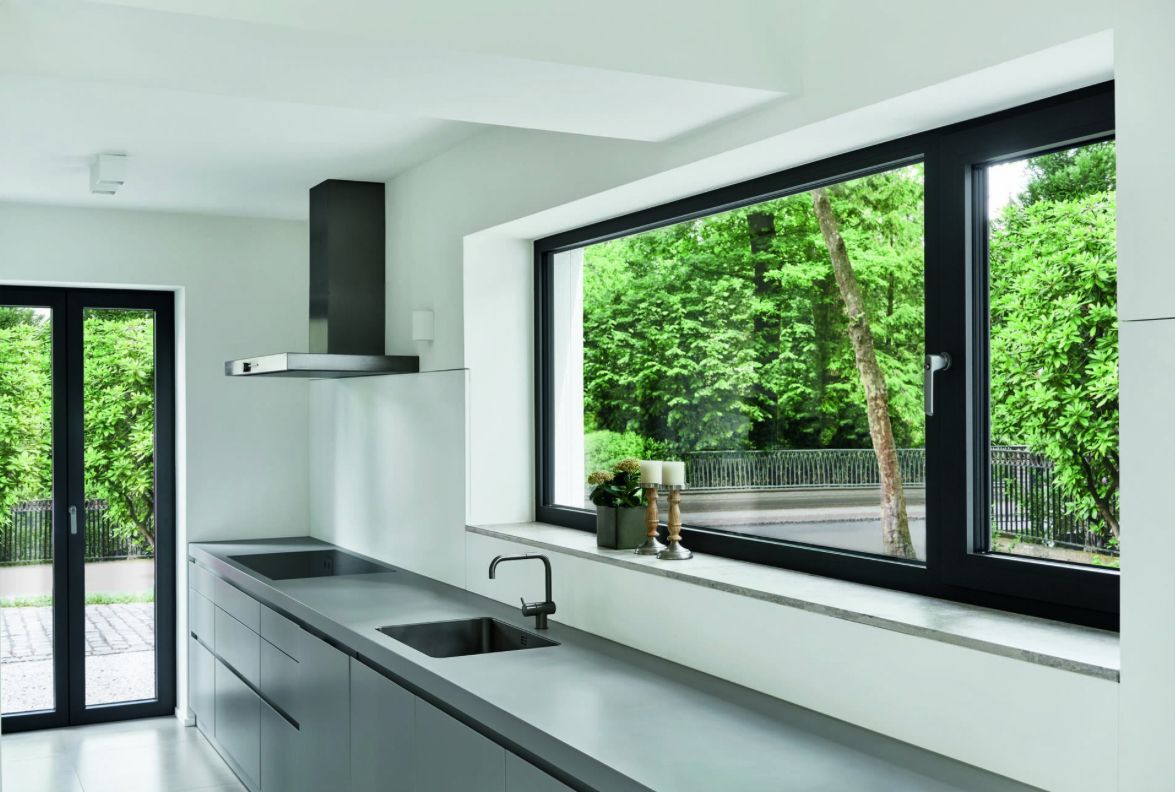
The wet kitchen is where the real cooking happens. This is where you fry, boil, chop, wash, and do everything that generates heat, oil, smoke, and mess. It is a working space — and it needs to be designed like one.
What Matters Most in Wet Kitchen Design
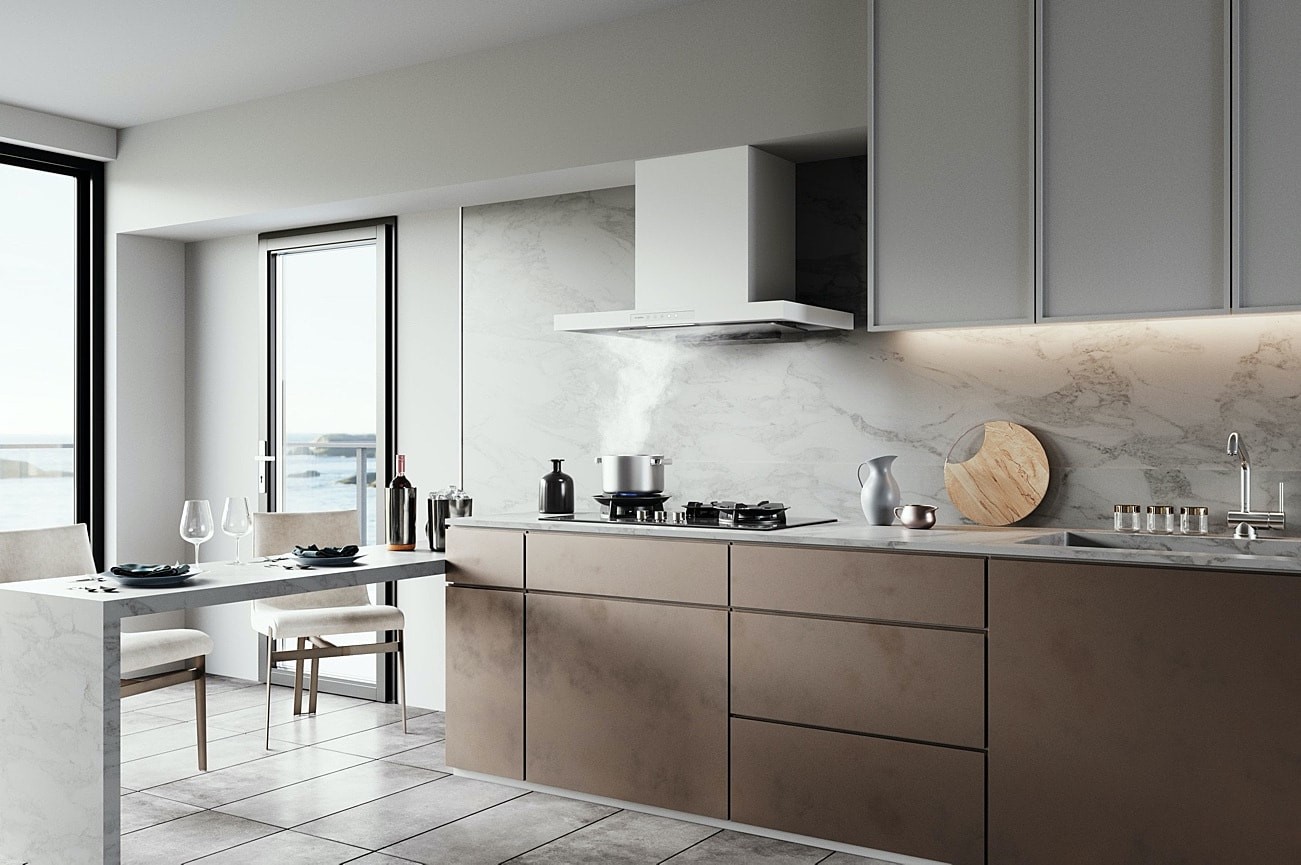
- Aluminium or stainless steel cabinets — resist heat, moisture, and pests
- Full wall tiles — wipe-clean surfaces that handle oil and steam
- Anti-slip floor tiles — safety during heavy cooking
- Strong cooker hood — essential for smoke and odour control
- Double bowl sink — for prep washing and dishwashing simultaneously
- Quartz or solid surface countertops — heat and stain resistant
- Sliding or bifold glass door — contains smells when closed, opens up space when not cooking
- Natural ventilation — windows or exhaust fans to supplement the hood
- Raised cabinet base — allows the floor to be washed down easily
Why This Dual-Kitchen Setup Works So Well in Malaysia
The dry and wet kitchen concept did not originate in Europe or the US. It was commercialised in Malaysia and Singapore precisely because of how we cook — intensively, with aromatics, high flames, and oils that spread smoke throughout the home.
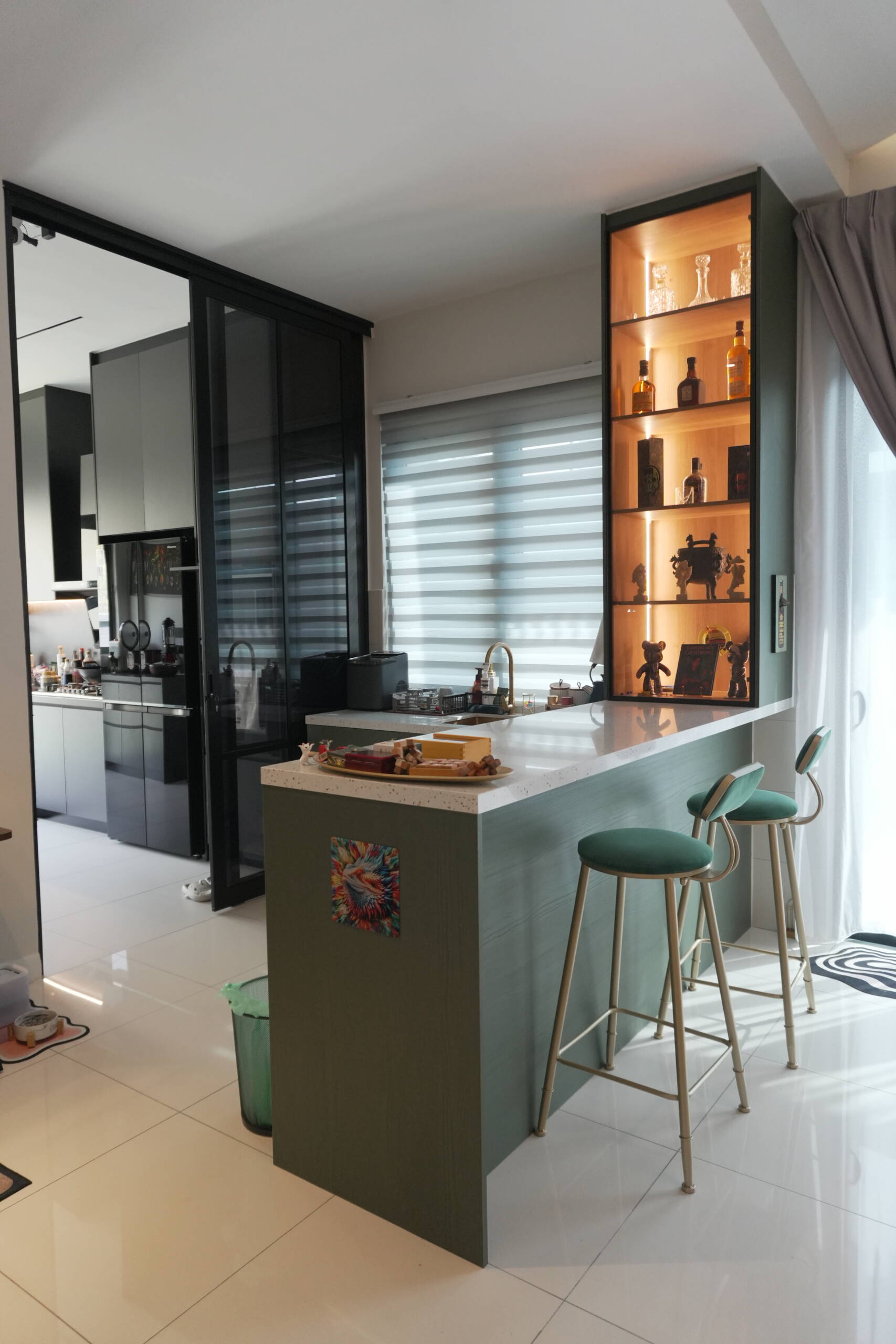
By separating your kitchen into two zones, you achieve three things that a single kitchen simply cannot:
- Reduced cleaning effort — grease and odours are contained in the wet kitchen, so the dry kitchen stays clean with minimal maintenance.
- Protected cabinetry — your dry kitchen cabinets are not exposed to high heat, steam, or oil, so they last significantly longer.
- A home that always feels fresh — guests entering your home see the dry kitchen, not the aftermath of a wok-fried dinner.
How to Plan Your Dry and Wet Kitchen the Right Way
Having two kitchens only works if they are planned properly from the start. Bolt-on solutions — adding a partition after the fact or choosing the wrong materials — create more problems than they solve. Here is how to get it right before your renovation begins.
-
1Create a Clear Separation
Without a physical boundary, the benefits of having two kitchens collapse. Options include sliding glass doors, folding partitions, or half walls. This contains heat, smoke, and grease in the wet kitchen while keeping the dry kitchen clean and presentable. A glass partition is the most popular choice in Malaysian landed homes — it separates without making either space feel closed off.
-
2Assign Each Kitchen a Clear Role
Avoid designing both kitchens the same way. The dry kitchen should be treated as a presentation and light-use space. The wet kitchen should be treated as a working space. This focus prevents budget from being wasted — you do not need premium cabinet finishes in the wet kitchen, and you do not need industrial-grade fittings in the dry kitchen.
-
3Choose Materials Based on Usage
The wet kitchen needs aluminium or stainless steel cabinets, quartz or solid surface countertops, and full wall tiles. The dry kitchen can use laminates, acrylic, glass elements, or decorative panels. Choosing the wrong material in the wrong zone leads to premature wear and higher long-term costs. See our full guide on built-in vs custom kitchen cabinets in Malaysia for more detail.
-
4Prioritise Ventilation Early
Ventilation is the most commonly overlooked element in kitchen planning. A well-designed wet kitchen needs a strong cooker hood rated for Malaysian cooking intensities, plus good airflow from windows or a dedicated exhaust system. Without adequate ventilation, smoke and grease will eventually spread into the dry kitchen and living areas regardless of your partition setup.
-
5Plan for Workflow and Movement
The dry and wet kitchens should sit adjacent to each other for seamless movement — carrying ingredients from fridge to prep sink to stove should not require crossing the living room. The transition between the two spaces needs to be intuitive, with enough counter space on both sides of the partition so that workflow is not broken.
Common Mistakes to Avoid
Most kitchen renovation regrets stem from decisions made before the renovation began — not during. Here are the most common issues Malaysian homeowners face after completing a dry and wet kitchen setup:
- No proper separation between dry and wet areas — odours and grease spread throughout the home
- Using laminate or acrylic cabinets in the wet kitchen — they swell, peel, and discolour under sustained heat and moisture
- Insufficient workspace — not enough counter space on either side of the cooking zone
- Too few electrical points — a full wet kitchen needs dedicated circuits for the hood, stove, and other appliances
- Over-focusing on looks in the wet kitchen — aesthetics matter less than durability here
- Skipping the cooker hood budget — a cheap hood that cannot handle wok cooking is effectively useless
Budgeting for a Dry and Wet Kitchen in Malaysia
A practical approach to budgeting for a dual-kitchen setup is to allocate your spending based on the purpose of each space — not equally across both.
| Area | Budget Priority | Reasoning |
|---|---|---|
| Dry kitchen cabinetry & finishes | Invest more | This is what guests see — quality finishes make a strong first impression |
| Dry kitchen lighting & island | Invest more | Lighting and an island significantly elevate the look and functionality |
| Wet kitchen cabinetry | Be practical | Choose durable aluminium or stainless steel — aesthetics matter less here |
| Wet kitchen cooker hood | Do not compromise | A quality hood is the single most impactful investment in the wet kitchen |
| Wet kitchen countertop | Be practical | Quartz or solid surface — functional and cost-effective |
| Partition / glass door | Budget for this | The separation between the two kitchens is essential, not optional |
For a full breakdown of kitchen renovation costs in Malaysia, read our guide on understanding kitchen interior design prices in Malaysia.
Planning a Landed Home Kitchen Renovation?
Our team specialises in dry and wet kitchen design for Malaysian landed homes across Klang Valley, Seremban, and Johor Bahru. View our completed projects or get in touch today.
Chat With Our Experts on WhatsAppFrequently Asked Questions
Do I need both a dry and wet kitchen for my landed home?
Not necessarily — it depends on how you cook. If you cook regularly using oil, high heat, or strong aromatics, a wet kitchen is highly recommended. If you rarely cook or only do light meals, a well-designed single kitchen with good ventilation may be sufficient. Most Malaysian landed homeowners who cook regularly find the dual setup makes a significant difference to daily life and long-term maintenance.
What is the difference between a dry kitchen and a wet kitchen?
A dry kitchen is used for light cooking, food prep, hosting, and appliance use — it prioritises aesthetics and is the kitchen guests see. A wet kitchen is for heavy cooking: frying, boiling, washing, and anything that generates heat, oil, smoke, or mess. It prioritises durability and easy cleaning over looks. In Malaysian landed homes, these two zones typically sit side by side with a glass partition or sliding door between them.
What materials should I use for a wet kitchen in Malaysia?
For Malaysian cooking intensities, aluminium or stainless steel cabinets are the most reliable choice — they resist moisture, heat, pests, and are easy to wipe clean. Countertops should be quartz or solid surface. Walls should be fully tiled for splash resistance. Avoid laminate or acrylic finishes in the wet kitchen as they peel and swell under sustained heat and humidity. See our guide on built-in vs custom kitchen cabinets for a full material comparison.
How do I separate my dry and wet kitchen?
The most popular option in Malaysian landed homes is a sliding or bifold tempered glass door — it contains cooking smells when closed but can be opened up when not in use, making the space feel larger. Folding partitions and half walls are also practical alternatives. The key is that the separation is complete enough to prevent smoke and grease from crossing into the dry kitchen zone during heavy cooking sessions.
How much does a dry and wet kitchen cost in Malaysia?
Costs vary depending on the size of the space, materials chosen, and appliances included. As a general guide, invest more in the dry kitchen's finishes and lighting, and be practical with wet kitchen materials by focusing on durability over aesthetics. For a detailed breakdown of typical renovation costs, read our kitchen interior design price guide for Malaysia.
Can I have a dry and wet kitchen in a smaller landed home?
Yes — the concept scales down well. Even in a smaller terrace house with limited rear space, a compact wet kitchen with full tiling, a good cooker hood, and a glass partition can be designed effectively. The key is efficient space planning from the start. Our team has designed dual-kitchen setups for homes across all size ranges in Selangor and beyond. Contact us for a free consultation based on your floor plan.
What is the most important thing to get right in a wet kitchen?
Ventilation. A strong, properly sized cooker hood is the single most impactful element in any Malaysian wet kitchen. Without it, smoke and grease accumulate on surfaces, spread to the dry kitchen and living areas, and damage your cabinets and ceiling over time. No amount of premium cabinetry or beautiful tiles can compensate for a wet kitchen with inadequate airflow.