Most kitchen storage guides are written around generic principles - pots near the hob, dry goods in the pantry, knives on the wall. Useful, but not enough. A kitchen that is genuinely easy to cook in is one that is designed around how you specifically cook: which meals you make, how often, what ingredients you rely on, and which tools you reach for every day. That is what this guide is about.
The difference between a kitchen that works and one that just looks good in photos is almost always storage - and specifically, whether the storage reflects the actual daily rhythms of the people using it. Whether you cook heavy Malaysian meals every day or light meals a few times a week, the storage logic is different. This guide helps you figure out which approach is right for you, and what to specify before fabrication begins. For a broader look at storage features worth planning, see our guide on kitchen cabinet features Malaysian homeowners regret not adding.
- The most important step before designing kitchen storage is auditing what you actually cook - not what you aspire to cook. Storage designed around aspirational habits becomes unused space within months.
- Zone-based storage - organising by activity area rather than item category - is the most practical approach for Malaysian kitchens with wet and dry separation.
- Your most-used items should always be within arm's reach of where they are used. Items you use once a week can be stored one cabinet away. Items you use once a month go in the back or top.
- Heavy Malaysian cooking - daily wok frying, curries, sambals - demands different storage priorities than light cooking. Spice access, oil storage, and large-pot accessibility are the three most critical features.
- Every storage decision that requires a contractor or carpenter must be finalised before fabrication. Once cabinets are built, changing the internal storage configuration is expensive or structurally impossible.
- A useful pre-renovation exercise: spend one week cooking normally and noting every time you walk more than two steps to retrieve something. Each of those moments is a storage design failure worth fixing.
Step One: Audit Your Cooking Habits Before Designing Anything
Before specifying a single cabinet dimension, answer these four questions: What are the five meals I cook most often? What ingredients do I use every day? Which tools do I reach for daily vs weekly vs rarely? How many people cook in this kitchen and at what times? The answers to these questions determine where your storage goes, what type it should be, and how much of it you actually need.
This sounds obvious. Almost nobody does it. Instead, homeowners look at kitchen inspiration photos, pick cabinet designs they like, and assume storage will sort itself out. It rarely does. The kitchen that photographs beautifully in a showroom was not designed for your specific combination of cooking oil brands, curry pastes, spice jars, woks, and rice cooker. Yours needs to be.
The most reliable method is a one-week kitchen journal - a simple note on your phone where you record every item you pick up while cooking, where you got it from, and whether retrieving it was easy or involved moving something else first. At the end of the week, you will have a clear picture of which items deserve prime storage real estate and which ones are currently occupying it unnecessarily.
Four Malaysian Cooking Habit Profiles and the Storage Each Needs
Malaysian households fall into broadly distinct cooking patterns that each demand different storage priorities. Identify which profile best describes your household - most people are a combination of two.
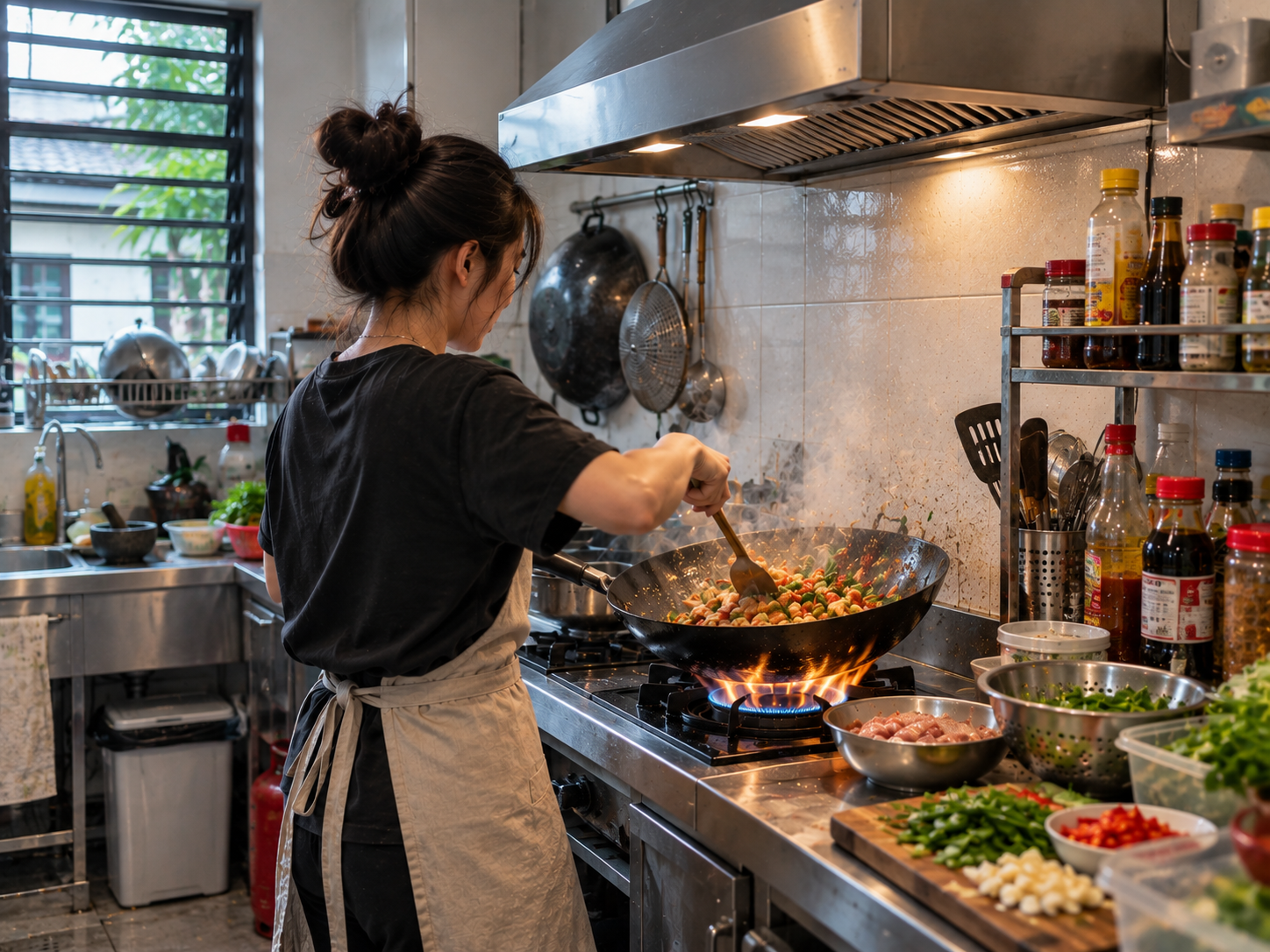
- Pull-out spice rack adjacent to hob - 20 to 30 bottles visible
- Deep base drawer for woks and large pots with pull-out runners
- Dedicated oil and sauce shelf at countertop height - no lifting
- Large prep surface with adjacent waste bin
- Tall pantry unit for rice, dry goods, and bulk staples
- Under-hob drawer for frequently used spatulas and ladles
- Dedicated appliance zone - rice cooker, kettle, toaster within reach
- Small pull-out for everyday spices and sauces - 8 to 12 bottles
- One deep drawer for one pan, one pot, and basic utensils
- Clear countertop as priority - minimal storage on surface
- Accessible upper cabinet for plates and bowls used daily
- Pull-out bin under sink within arm's reach of prep area
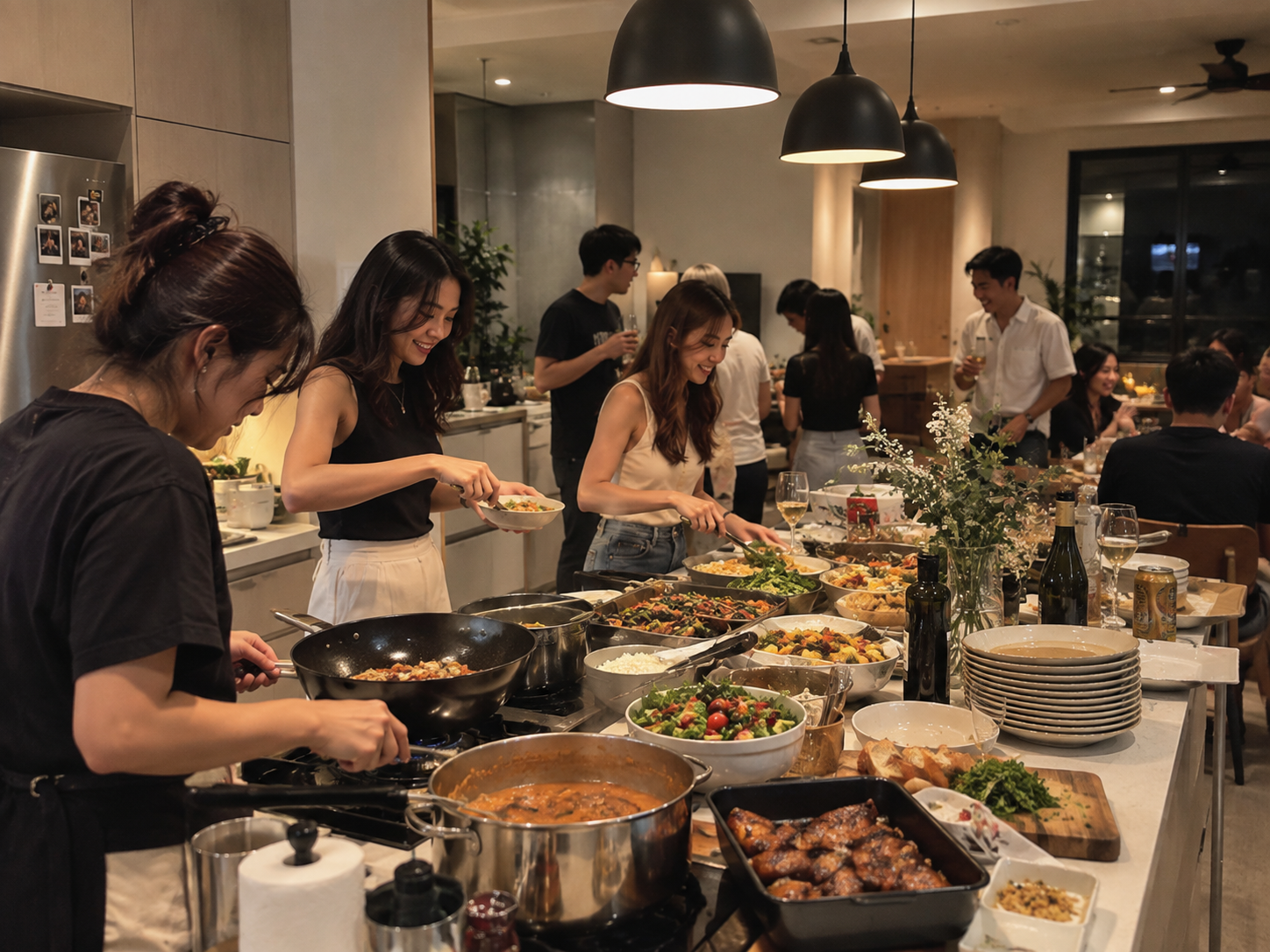
- Full-height pantry column for bulk buying and event-scale staples
- Dedicated serveware section - platters, bowls, serving dishes accessible
- Island or extended prep counter with storage below for extra equipment
- Appliance garage or dedicated section for infrequent appliances
- Wine and beverage storage if entertaining includes drinks service
- Large pot and baking tray storage - toe-kick drawers or deep base unit
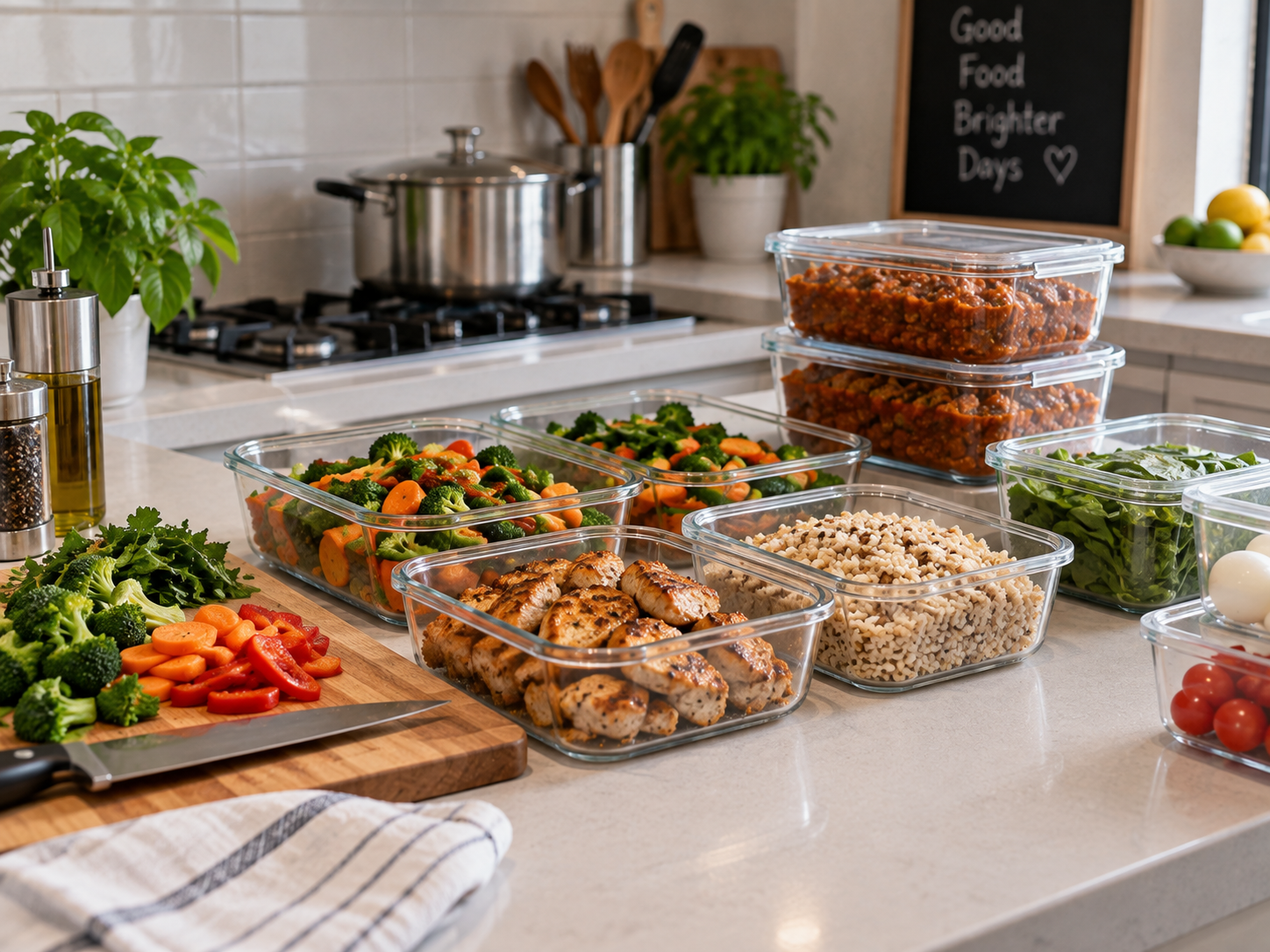
- Large refrigerator with good internal organisation - not just cabinet storage
- Deep drawer with dividers for food containers and lids organised by size
- Dedicated prep zone with pull-out cutting board and bin access
- Clear-front pantry units or open shelving for visible dry goods inventory
- Wide countertop - batch cooking needs simultaneous workspace
- Label-friendly internal drawer organisation for spices by cuisine type
Zone-Based Storage: The Right Framework for Malaysian Kitchens
Zone-based storage means organising your kitchen by activity rather than by item category. Instead of putting all pots in one place, all spices in another, and all plates in a third, you group everything needed for a specific activity in the zone where that activity happens. In Malaysian kitchens where wet and dry kitchen separation already creates a natural zone structure, this approach is especially intuitive and effective.
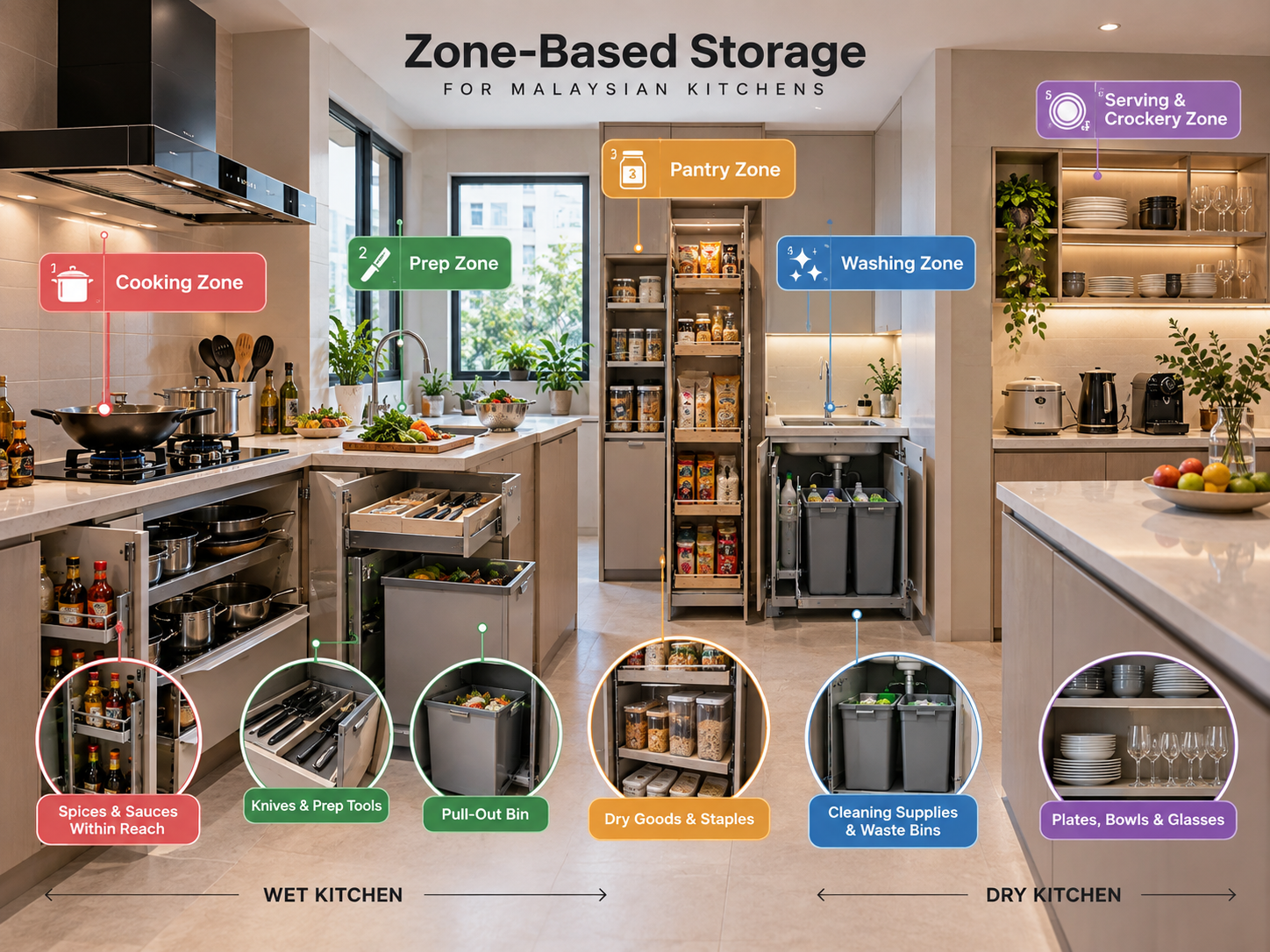
- Zone 1 - The Cooking Zone (Wet Kitchen Hob Area) Everything needed during active cooking lives here. Woks, spatulas, ladles, oils, sauces, spice rack, and heat-safe utensils should all be accessible without leaving the hob. A pull-out spice rack to the side, a deep drawer below for the most-used pots, and a narrow shelf or pull-out for frequently used sauces and cooking oils constitute the core of this zone. Nothing should require more than a 90-degree pivot to retrieve.
- Zone 2 - The Prep Zone (Counter Adjacent to Sink) Chopping boards, knives, peelers, graters, colanders, and fresh ingredients all belong in this zone. Under this prep counter: a pull-out bin for vegetable trimmings, a knife drawer with a fitted insert, and a lower pull-out for mixing bowls and prep equipment. The adjacent sink gives immediate access to water for washing ingredients during prep - minimising unnecessary movement during the cooking workflow.
- Zone 3 - The Pantry Zone (Dry Goods and Staples) Dry goods - rice, flour, cereals, noodles, canned goods, and bulk staples - belong in a dedicated pantry column or base cabinet away from the cooking and prep zones. This zone is accessed for ingredient retrieval at the start of cooking, not during it. A tall pantry unit with pull-out internal shelves gives full visibility of the contents and eliminates the need to remove items at the front to reach items at the back.
- Zone 4 - The Washing Zone (Under and Around the Sink) Cleaning products, sponges, dishwashing liquid, and rubbish bins all belong under or immediately adjacent to the sink. A pull-out dual bin system - one for general waste, one for recyclables - mounts to the cabinet door and pulls forward when needed. Under-sink storage should prioritise waterproof or moisture-resistant organisation since this zone is the most water-exposed area of any kitchen.
- Zone 5 - The Serving and Crockery Zone (Dry Kitchen) In Malaysian homes with a dry kitchen, this zone belongs there. Plates, bowls, glasses, mugs, and frequently used serving items should be stored in upper cabinets at comfortable reach height. If the dry kitchen is also used for breakfast and drinks preparation, a dedicated appliance zone - rice cooker, kettle, coffee machine - with accessible storage for the items needed around each appliance creates a functional morning routine station.
Specific Storage Solutions Matched to Malaysian Cooking Realities
Malaysian cooking involves a wider range of spices, sauces, pastes, and condiments than almost any other cuisine. A typical Malaysian kitchen actively uses 15 to 30 spice and sauce items - from belacan and curry powder to fish sauce, oyster sauce, and multiple chilli pastes. How these are stored directly determines how efficiently daily cooking happens.
The most effective solution for heavy Malaysian cooks is a narrow pull-out spice rack (100mm to 150mm wide) mounted directly adjacent to the hob - on the side closest to where you stand while cooking. This keeps 20 to 30 bottles visible and immediately accessible with one hand while the other manages the wok. Large sauce bottles (soy sauce, oyster sauce, cooking oil) belong on a pull-out shelf at countertop height nearby - eliminating lifting from a base cabinet during active cooking. Storing spices in an upper cabinet above the hob is the worst possible placement: heat and steam from cooking damage the contents and the additional reach is a daily friction point.
The wok is the most-used item in the majority of Malaysian kitchens - yet most kitchen designs allocate it to a standard base cabinet with a hinged door and fixed shelf where it can only be retrieved by crouching and reaching. A full-extension pull-out drawer rated to 30kg or more, sized for the largest wok in the household, is the correct solution. The wok slides out to the front, is lifted directly to the hob without carrying it across the kitchen, and returns in one movement.
Large pots used for soups, curries, and steaming deserve the same treatment. A wide pull-out base drawer with full-extension runners, lined with a non-slip mat, makes the pots immediately accessible and visible. A pot lid organiser - either a pull-out rack or a drawer insert - eliminates the problem of lids rolling around in a separate cabinet and reduces the clattering noise that accompanies every pot retrieval in a standard base cabinet. See our full breakdown of compact kitchen storage strategies for more on maximising base cabinet efficiency.
Malaysian families typically buy rice in 5kg, 10kg, or 25kg bags and keep a rolling stock of dry staples - noodles, flour, sugar, cooking oil, canned goods - bought in bulk from hypermarkets. Standard upper cabinet shelving is poorly suited to this: bags are heavy, containers are large, and the items at the back of a fixed shelf become invisible within weeks.
The right solution is a tall pantry unit with pull-out internal shelves or a full-extension pantry larder where the entire interior comes to the cabinet opening when the door is pulled. A dedicated rice storage bin with a removable container makes the daily retrieval of rice from a 10kg bag practical without lifting the entire bag each time. Oil storage deserves its own pull-out at base cabinet level where large bottles can be taken out and replaced without strain. Bulk buying Malaysian families typically need a pantry unit at least 600mm wide and 2,100mm tall - a 300mm narrow unit will not accommodate realistic stock levels.
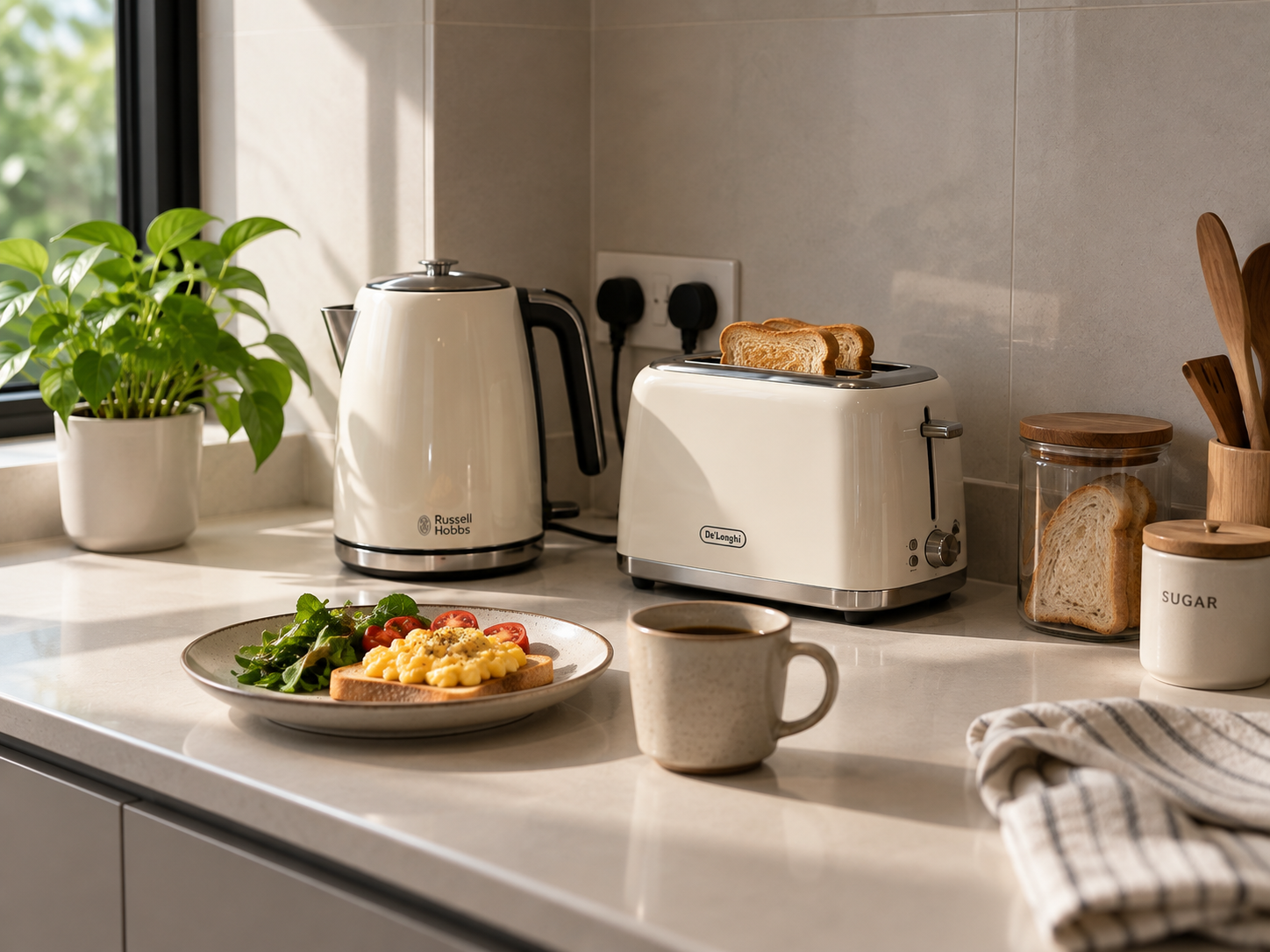
The Malaysian kitchen countertop is typically contested territory between the rice cooker, kettle, toaster, air fryer, and blender - all of which are used regularly and none of which the homeowner wants to store in a cabinet because retrieval feels inconvenient. The result is a permanently crowded counter with minimal usable prep space.
The solution is not hiding appliances - it is making the storage as accessible as the countertop itself. A pull-out shelf at countertop height in a base cabinet lets the rice cooker or air fryer slide forward for use and slide back in when done. An appliance garage with a tambour or bi-fold door in the dry kitchen allows the kettle and toaster to be visible and accessible while keeping them off the primary prep surface. For heavier appliances, a lift mechanism rated to 15kg handles stand mixers and blenders without requiring the user to lift them in and out of a lower cabinet. When countertop clutter is eliminated, even a small kitchen gains significant functional workspace. Our guide on small kitchen interior design ideas covers this in more detail.
Not everything in a kitchen is used daily. Baking trays, steamers, festive cookware, cake moulds, and speciality equipment may be used monthly or less. Allocating prime base cabinet space to these items is a storage planning error - it displaces frequently used items into less accessible positions and creates the paradox of a kitchen that feels both overstored and inconvenient to cook in.
Infrequently used items should live in secondary storage zones: the upper section of full-height cabinets (above comfortable reach height), toe-kick drawers at the base of the cabinet run, or a dedicated upper cabinet section reserved for occasional use items. Flat baking trays, pizza stones, and cooling racks slot perfectly into toe-kick drawers - they are accessed rarely, the floor-level position is not a daily inconvenience, and they free up significant base cabinet space for items that are used every day. A tiered approach to storage - prime real estate for daily items, secondary access for weekly items, difficult access for occasional items - is the core logic of a storage system that stays organised without constant effort.
Common Kitchen Storage Planning Mistakes to Avoid
- Designing for aspirational cooking rather than actual cooking - the most common and most consequential mistake. Homeowners specify a large wine rack, a dedicated coffee station, and a full baking zone because they intend to use them. Six months in, the wine rack holds spare shopping bags, the coffee station hosts one kettle, and the baking zone is the only place the rice cooker fits. Audit what you actually do, not what you plan to do more of.
- Putting frequently used items in upper cabinets and rarely used items at eye level - upper cabinets require reaching and are less accessible than base drawers. Store daily items in pull-out drawers at base level where they are within arm's reach. Reserve upper cabinets for plates, glasses, and items used at mealtimes rather than during cooking.
- Ignoring the triangle between hob, sink, and refrigerator - the kitchen work triangle describes the three most frequently travelled paths during cooking. Storage that requires breaking this triangle - walking from hob to the far end of the kitchen to retrieve a spice, then back to the prep counter to chop, then back to the hob - multiplies the physical effort of every cooking session. Keep the most-used items inside or adjacent to this triangle.
- Specifying the same depth for all upper cabinets - upper cabinets above the prep counter at standard 300mm to 350mm depth feel enclosing and make items at the back hard to reach. Varying depth by zone - shallower above the prep counter, standard depth elsewhere - improves ergonomics and opens up the feel of the kitchen at its most-used point. For more on layout decisions, see our kitchen layout guide for Malaysian landed homes.
- Treating the renovation as the end rather than the start - a new kitchen will be used differently than you anticipated. Items will migrate from where they were planned to be stored. The most honest way to design storage is to plan for your current habits with flexibility built in - adjustable shelf heights, modular drawer inserts, and zone boundaries that can be shifted without structural changes.
What to Confirm With Your Designer Before Fabrication Begins
- Confirm the spice rack position relative to the hob - it should be specified in the design drawing, not assumed.
- Confirm pull-out drawer specifications for base cabinets - runner brand, load capacity, and full-extension vs partial extension. Full-extension runners allow access to the full drawer depth; partial-extension runners leave the back third inaccessible.
- Confirm internal organiser options for each drawer - standard dimensions, insert material, and whether they are custom-fitted or generic aftermarket. Custom-fitted is significantly more effective.
- Confirm appliance storage placement - which appliances live on the counter, which go in the appliance garage, and which get a pull-out shelf solution. Mark each appliance's storage position in the floor plan before approving the design.
- Confirm pantry unit depth and internal configuration - adjustable shelves, pull-out larder shelves, or fixed. Adjustable shelves allow reconfiguration as storage needs change; fixed shelves do not.
- Confirm wiring for any in-cabinet appliances - a socket inside the appliance cabinet for the rice cooker or kettle must be wired before the cabinet is installed. Retrofitting a socket inside a closed cabinet requires opening the cabinet structure.
Planning Your Kitchen Storage?
Our team will walk through your cooking habits with you and translate them into a storage specification before fabrication starts. Visit our showrooms in PJ, Subang Jaya, or Kajang - or chat with us on WhatsApp.
Chat With Our Kitchen Design TeamFrequently Asked Questions
How do I design kitchen storage around my cooking habits?
Start by auditing what you actually cook, not what you aspire to cook. Write down the five meals you make most often, then list every ingredient, tool, and piece of equipment involved. Your most-used items should be stored within arm's reach of where they are used - spices adjacent to the hob, chopping boards next to the prep counter, daily pots in a pull-out drawer. Storage designed around real cooking habits rather than generic principles will stay organised without effort.
What is zone-based kitchen storage and does it work for Malaysian kitchens?
Zone-based storage organises your kitchen by activity area rather than item category - placing everything needed for cooking in the cooking zone, everything needed for prep in the prep zone, and so on. It works particularly well for Malaysian kitchens because the wet and dry separation already creates a natural zone structure. Within each zone, storage should reflect the specific tasks performed there, reducing the walking and searching that makes cooking feel more effortful than it needs to be.
What kitchen storage is best for Malaysian cooking with heavy spice use?
A narrow pull-out spice rack mounted directly adjacent to the hob is the most practical solution - it keeps 20 to 30 bottles visible and accessible with one hand while the other manages the wok. For large sauce bottles, a pull-out shelf at countertop height eliminates lifting from a base cabinet during active cooking. Avoid storing spices in an upper cabinet above the hob where heat and steam degrade the contents and the reach creates a daily friction point.
How much storage does a Malaysian kitchen need?
A Malaysian family kitchen that cooks three or more meals a day needs a minimum of 4 to 6 linear metres of combined base and wall cabinet storage, with at least one tall pantry unit for dry goods. Malaysian families who bulk-buy from hypermarkets typically need 20 to 30% more pantry storage than households who shop more frequently for fresh ingredients. The right amount depends on how many people cook, how often, and how much stock the household maintains.
Should wet and dry kitchen storage be planned separately in Malaysia?
Yes. In Malaysian homes with both a wet and dry kitchen, storage in each should be planned around the specific activities that happen there. The wet kitchen needs robust, functional storage close to the hob and sink - pull-out drawers for pots, a spice rack adjacent to the cooking zone, a pull-out bin under the sink. The dry kitchen serves lighter cooking and entertaining, so storage can balance aesthetics with function - display-friendly upper cabinets, a coffee station, and appliance storage that keeps the countertop clear.
What is the most common kitchen storage planning mistake?
Designing storage for the kitchen you imagine having rather than the kitchen you actually use. Homeowners allocate space for a full spice collection but regularly use eight spices. They plan a dedicated wine rack but never buy wine by the bottle. They specify deep shelving for large pots but cook in a wok every day. Storage built around aspirational cooking habits rather than actual habits becomes unused space that eventually fills with clutter. Audit what you currently own and how often each item is used before finalising any storage specification.